
Pazos de Arenteiro – San Salvador de Pazos
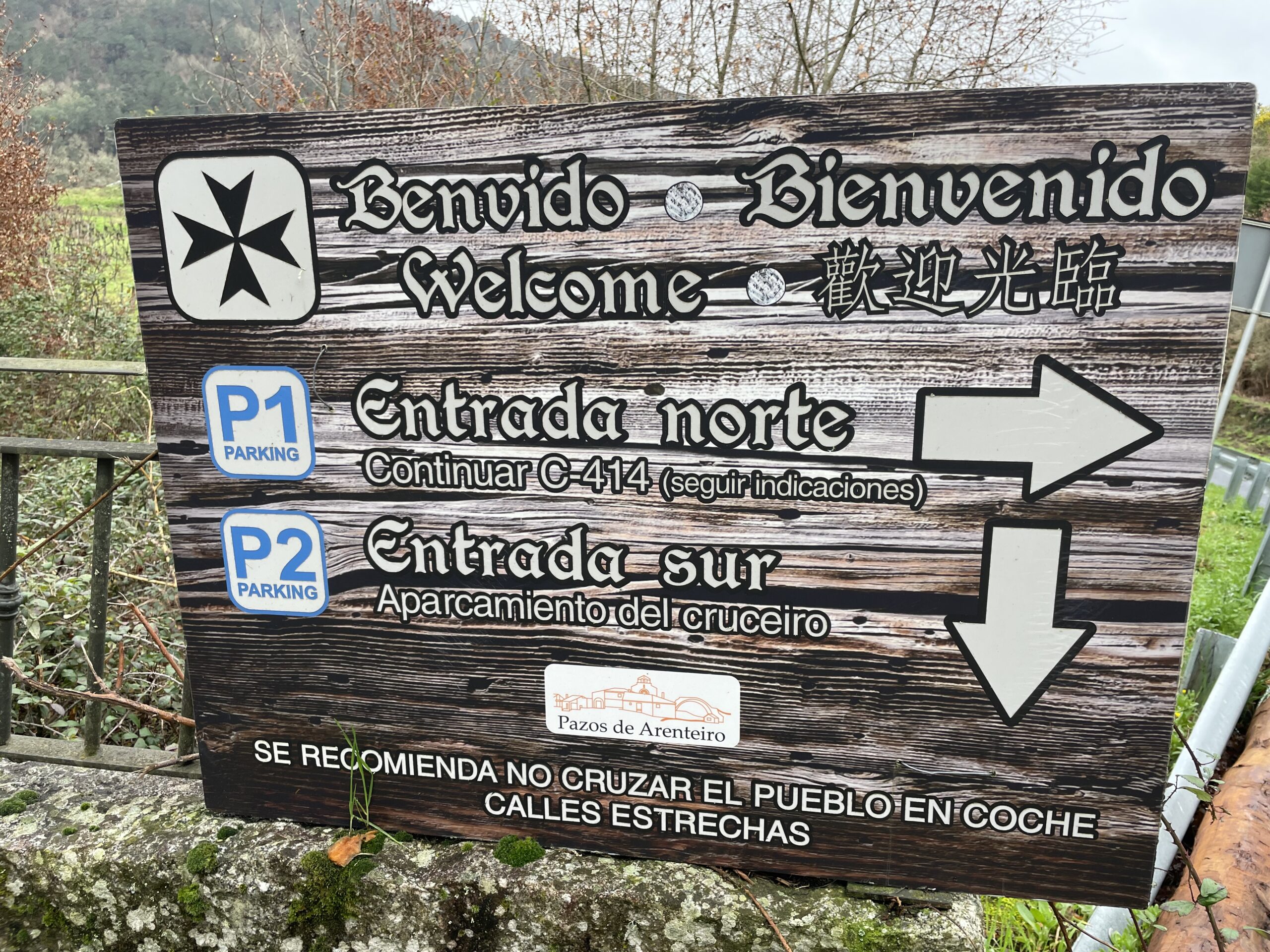
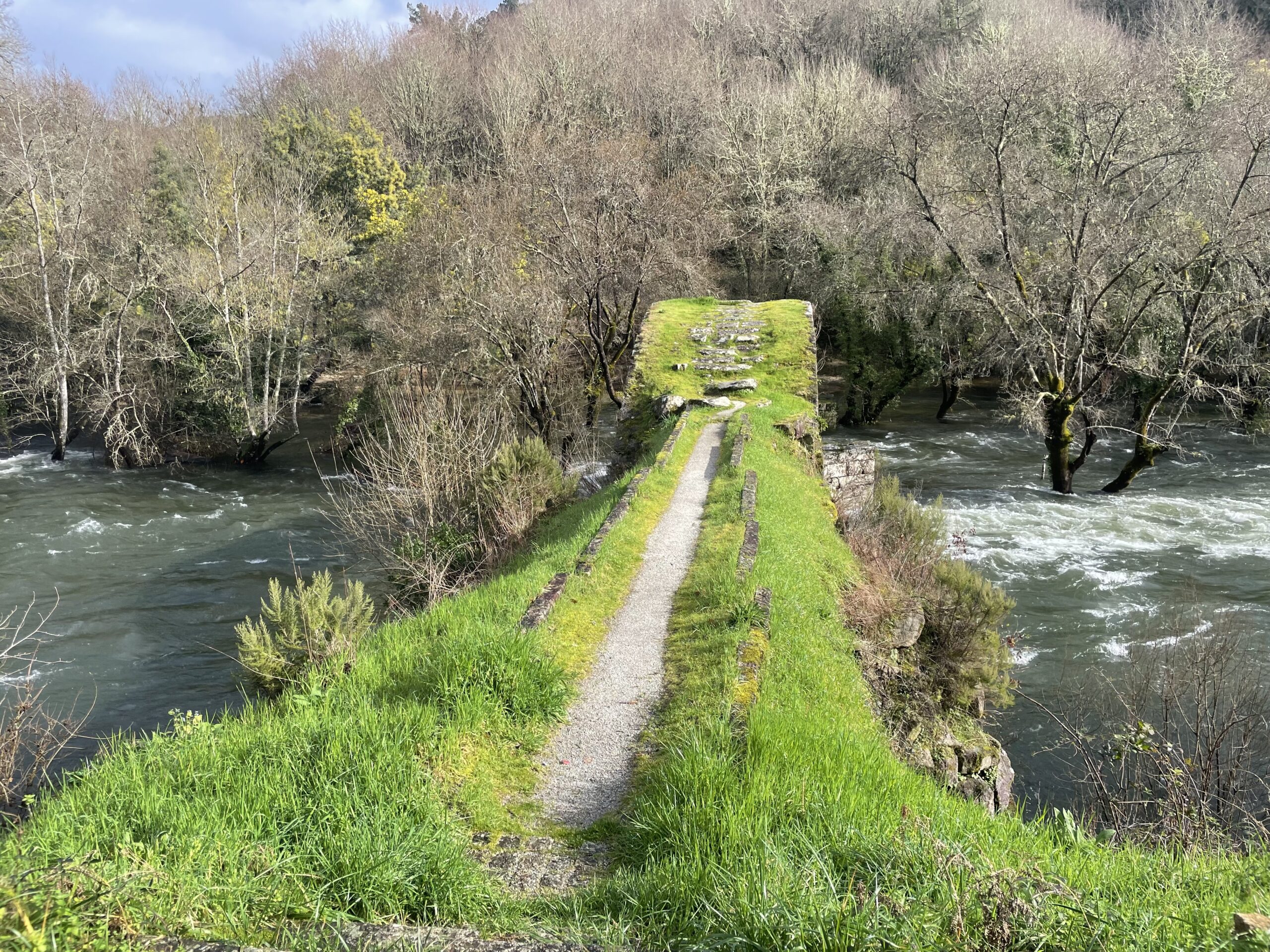
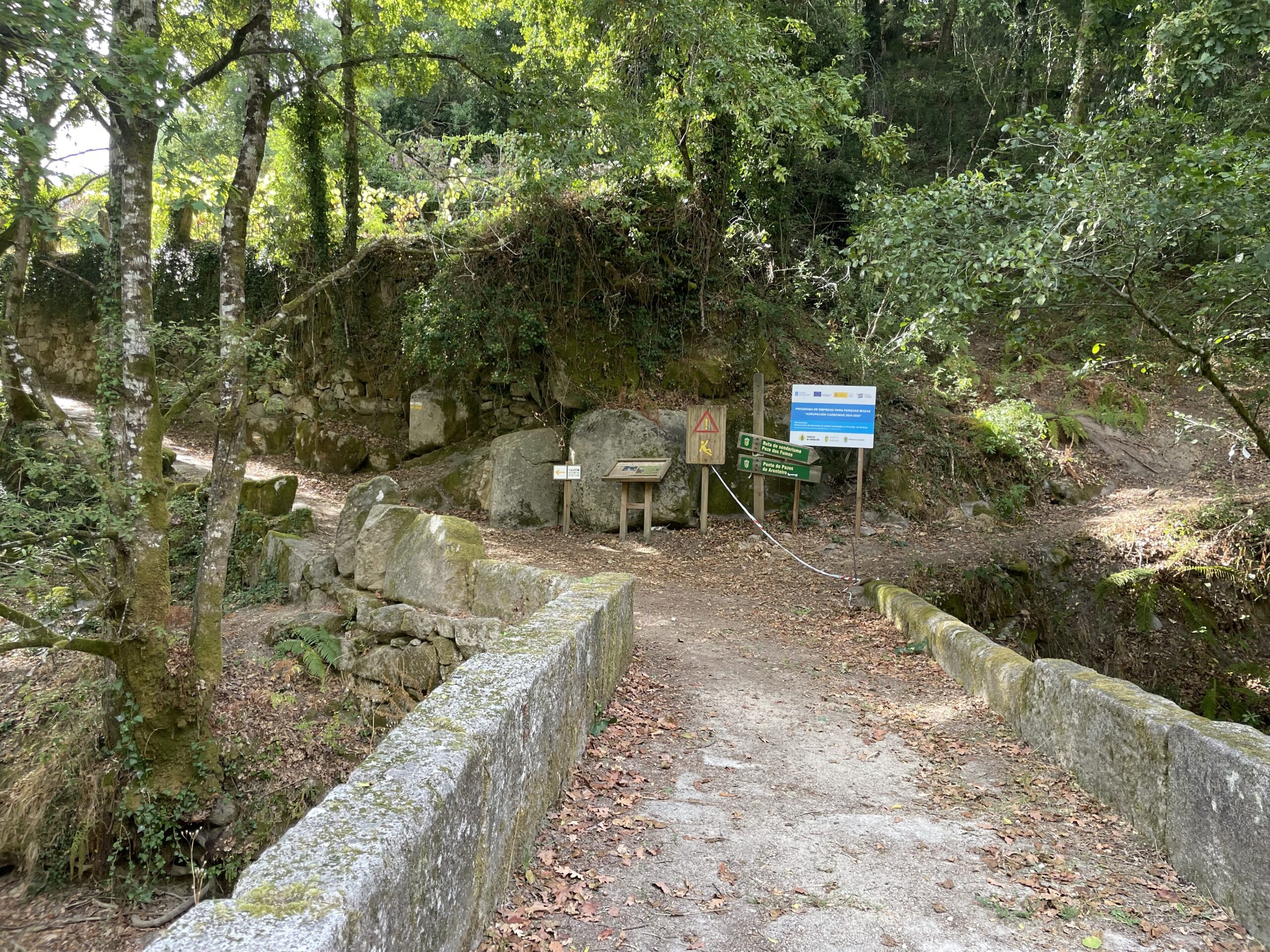
Pazos de Arenteiro – A Living Monument in Galicia
Since 1973, Pazos de Arenteiro has officially been recognized as a historic-artistic site. However, this small village in the province of Ourense was once a place of great importance during the Middle Ages and the early modern period. Noble families settled here in stately manor houses – the so-called pazos – whose wealth was closely tied to the flourishing wine trade of the Ribeiro region.
Narrow, steep streets, palaces adorned with imposing coats of arms, medieval bridges, and the remarkable Iglesia de San Salvador (13th century) all recall this glorious past. According to tradition, some of the bridges were damaged during the Napoleonic Wars. The church, with its Romanesque portal and semicircular apse, was linked to the Orde van Malta, whose origins trace back to the Crusaders in Jerusalem.
A Unique Historic Center
Pazos de Arenteiro is the only rural area in Galicia officially designated as a historic-artistic complex and is one of the region’s 27 historic centers. The village boasts a documented history of more than a thousand years. Its first recorded mention dates back to 1158, in a donation to the Monastery of San Clodio.
Its golden age began in the 12th century under the influence of the Orde van het Heilig Graf. In 1542, administration passed to the Order of Saint John of Jerusalem (the Order of Malta), which provided a strong economic boost through the production and trade of wine. The prosperity of the 16th century reshaped the village and led to the construction of numerous stately homes that still define its character today.
Main Landmarks
Church of San Salvador
A Romanesque church with Gothic elements and a richly decorated portal. Inside, visitors can admire a 16th-century altarpiece and religious sculptures. The tympanum displays the Maltese cross, symbol of the knightly order once established here.
Pazo de Arriba (Casa de Arriba)
Recognizable by its three Baroque chimneys and the coat of arms on its façade. It was once said to be so wealthy that even its cushions were embroidered with gold.
Pazo dos Cervela
An impressive Baroque manor house with a monumental coat of arms and elaborate decorative features. The Cervela family played a significant role in the region.
Casa dos Penedo
Former residence of the Inquisitor of Santiago. Its balustrade was taken from the Monastery of Oseira following the 19th-century confiscations.
Pazo de Doña Elisa
A U-shaped manor house with an inner courtyard and a large heraldic shield on its façade.
Pazo dos Feijóo
A 16th-century building featuring semicircular arches and several coats of arms above the entrance.
Bridge of the Holy Sepulchre
A medieval bridge over the Arenteiro River with two semicircular arches. The cross of the Holy Sepulchre is still visible in the stonework.
Bridge of the Cross
Originally built with four arches over the Avia River. After severe damage during the War of Independence, only one original arch remains.
Rivers, Silver, and Wine
The Avia and Arenteiro rivers shaped village life for centuries. The Arenteiro, once called “Argentario” because of the silver-bearing sands it carried, attracted silversmiths who settled here. Later, the wine trade became the region’s main economic engine. The Knights of Malta controlled the transport of wine from Ribeiro to Pontevedra and Santiago de Compostela, managing taxes and trade routes.
A Historic Crossroads
During the Middle Ages, Pazos de Arenteiro became a key crossroads between inland Galicia, the coast, and Santiago de Compostela. Pilgrims, merchants, and muleteers passed through the village along ancient royal roads and bridges.
In 1809, a battle against French troops took place here during the Peninsular War. Under the leadership of Colonel Bernardo Gonzalez del Valle, known as “Cachamuíña,” local volunteers eventually forced the French to retreat after intense fighting. This historic event is still commemorated today with an annual festival.
A Village to Discover
With fewer than one hundred inhabitants, Pazos de Arenteiro is now a peaceful and atmospheric village that has preserved its medieval character. Walking through its cobbled streets feels like stepping back in time. The combination of nature, architecture, and history makes it one of Galicia’s best-preserved gems.
Here, visitors discover not only monuments, but also stories — of knightly orders and wine merchants, of silversmiths and pilgrims, of conflict and renewal.